

Supply chain shifts are legitimately keeping me up at 2 a.m. scrolling freight rate charts like some kind of deranged insomniac stock trader.
I’m sitting here in my little home office outside Raleigh, North Carolina—windows cracked because it’s that weird February warm spell we get sometimes, smelling the neighbor’s charcoal grill already going even though it’s only 3:30 p.m.—and I’m staring at yet another email from my main component supplier saying “lead time now 14–18 weeks, sorry not sorry.” Again. For the third time in eighteen months. And yeah, I know I’m not the only one. But damn, it feels personal.
Back in early 2024 I thought we’d finally turned the corner. Ports were clearing, containers weren’t piling up like Jenga towers in Long Beach anymore, freight rates dropped to almost pre-pandemic levels. I got cocky. Ordered a fat batch of circuit boards from Shenzhen because the price was too good to pass up. Classic idiot move. Then the Red Sea thing blew up again, Panama Canal drought kept getting worse, and boom—my containers were floating somewhere off the coast of California for 47 days. I had to air-freight a small emergency batch just to keep one client from walking. Cost me almost nine grand in extra shipping. Nine. Grand. For stuff that normally would’ve been like $800 ocean freight.
That’s when supply chain shifts stopped being a headline and started being my monthly panic attack.
What These Supply Chain Shifts Actually Look Like on the Ground Right Now
Look, I’m not an economist. I’m a guy who makes custom IoT gadgets for small manufacturers and honestly half the time I’m just winging it. But here’s what I’m seeing in real time:
- Reshoring is real… but slooooow
Companies are moving some production back to the US or at least to Mexico. Great! Except the new factories aren’t fully online yet. I talked to a guy at a trade show in Chicago last fall who said his company spent 14 months just getting permits. Meanwhile my lead times are stretching into next decade. - Nearshoring to Mexico is exploding
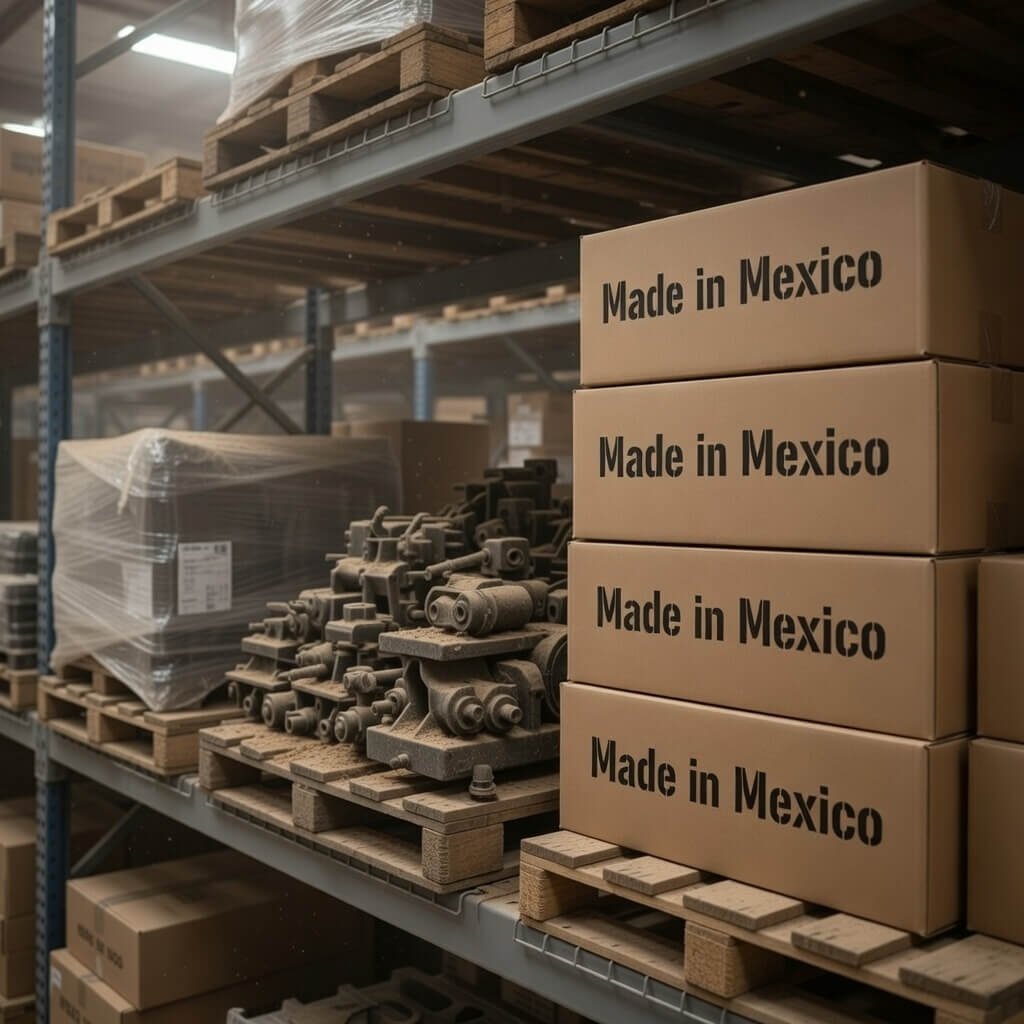
Cross-border freight is nuts right now. Cheaper than Asia, faster than Asia, but the border crossings are still a mess some days. I rerouted half my orders through Tijuana last summer—saved about 30% on shipping but added three days of pure anxiety every time a truck got held up. - Inventory hoarding is back, baby
Everyone’s scared. So everyone’s over-ordering. Which means component shortages pop up randomly again. I’ve got 400 extra microcontrollers sitting in my garage right now because I panicked in November. They’re collecting dust while I pray demand doesn’t tank.
Seriously, supply chain shifts aren’t abstract anymore. They’re why my wife keeps asking why there’s a pallet of cardboard boxes blocking the laundry room.

The Mistakes I Made (So You Don’t Have To)
I’ve screwed this up enough times to write a whole book, but here’s the highlight reel:
- Betting everything on the cheapest supplier.
Turns out “cheapest” often means “most vulnerable to every geopolitical sneeze.” - Not building real redundancy.
I had one backup supplier. One. They got hit by the same China lockdown ripple as my main guy. Rookie hour. - Ignoring freight rates until they tripled.
I used to just auto-pay the invoice. Now I track spot rates on Freightos like it’s the Super Bowl.
If I could go back and slap 2023-me, I would. Hard.
For more on how other businesses are handling this, check out this solid piece from McKinsey on supply chain resilience strategies in 2025–2026 and the latest from the Council of Supply Chain Management Professionals—they’re tracking the nearshoring wave better than anyone.
What I’m Actually Doing Differently Now
I’m not pretending I’ve cracked the code. But here’s my messy, imperfect playbook in 2026:
- Dual-sourcing everything possible (even if it costs 15–20% more upfront).
- Keeping 8–12 weeks of safety stock on high-risk items instead of the lean 2–3 weeks I used to brag about.
- Talking to my freight forwarder like he’s my therapist—weekly check-ins, no joke.
- Exploring more domestic suppliers even when they’re pricier. One guy in Pennsylvania quoted me 40% higher but promised 10-day turnaround. Guess who’s getting my next order?
Supply chain shifts are forcing all of us to get way less lazy. And honestly? It sucks. But it’s also probably making my business tougher long-term.
Wrapping This Ramble Up
I don’t have a neat bow for you. Supply chain shifts could absolutely break smaller businesses that can’t pivot fast enough—cash flow gets crushed, customers bail, game over. But they’re also creating openings for the ones who adapt quicker than the big slow corporations.
If you’re reading this and feeling that same knot in your stomach I get every time I refresh my tracking dashboard… you’re not alone. Drop a comment or shoot me an email if you want to vent about your own supply chain horror story. Sometimes just knowing the guy down the road is also losing sleep over container rates helps.