

Tariffs impact is something I’ve been obsessing over lately because holy crap the prices at my local Home Depot in suburban Ohio have me questioning every “America First” bumper sticker I see on the highway.
I’m sitting here in my kinda cramped kitchen right now—it’s February, snow’s melting into gross slush outside the window, the furnace is making that weird clicking noise again—and I’m staring at this spreadsheet I threw together last night after too much coffee. Seriously, tariffs impact isn’t just some abstract policy debate on cable news. It’s the reason my circular saw replacement cost me $30 more than it did two years ago.
What Tariffs Impact Actually Looks Like in My Wallet
I bought this DeWalt saw back in early 2023 before the latest round got dialed up. Paid like $129. Went to grab a backup battery last month? $89 for the tool itself now, plus tax pushing it over $100 easy. That’s not inflation alone—that’s tariffs impact layered on top.
- Steel and aluminum tariffs from 2018 still echo through everything metal. My buddy who does HVAC installs says his ductwork costs jumped 22% almost overnight back then and never really came back down.
- Then the China-specific ones on electronics, appliances, solar panels—yeah my new mini-split AC unit quote came in $800 higher than the one my neighbor got in 2021.
- Cars? Forget about it. The parts ripple is insane. My sister’s used Tacoma has a timing chain tensioner that failed early and the replacement was stupid expensive because of imported components.
Anyway, point is, tariffs impact feels real when you’re the one handing over the card.
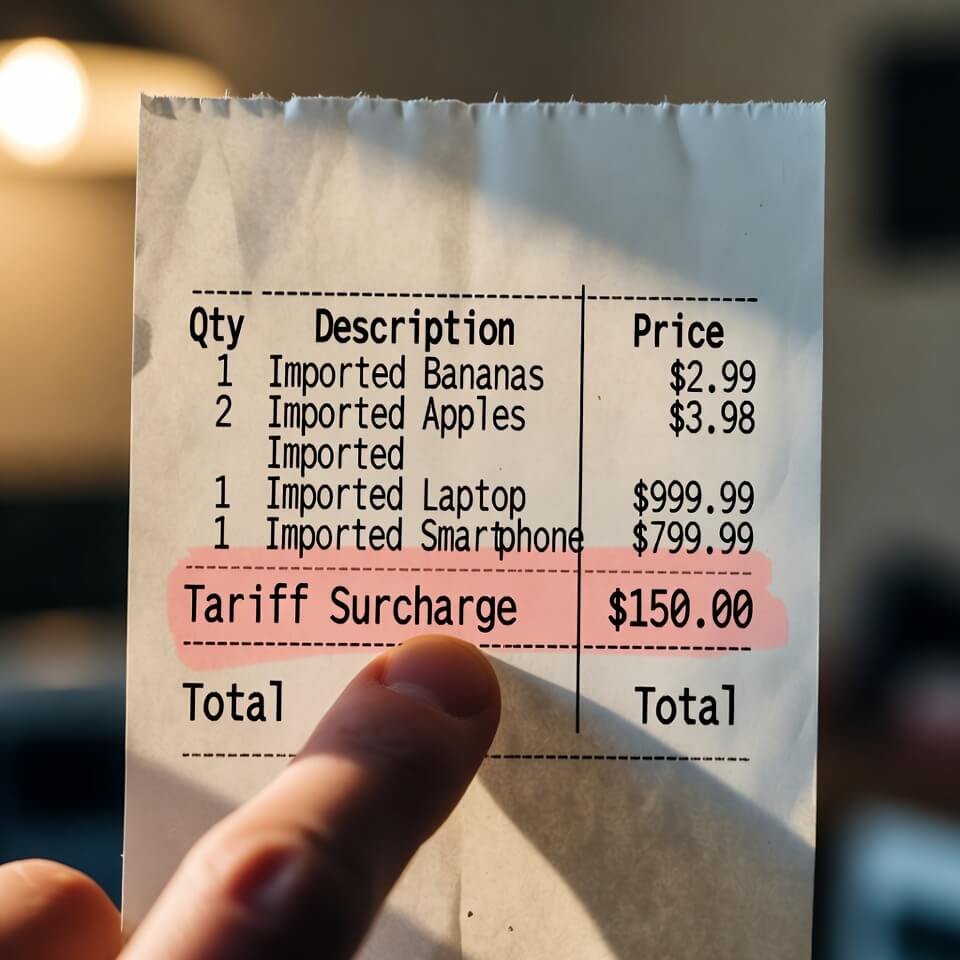
The Protector Side – Okay, There’s Some Truth There Too
Look I’m not gonna pretend it’s all pain. I talked to my cousin who works at a steel mill outside Pittsburgh—small place, not Nucor big—but he says orders picked up noticeably after 2018. More shifts, actual overtime. His take: “Without tariffs impact protection, we’d be flooded with cheap dumped steel and half the guys here would be laid off again.”
And yeah the numbers kinda back that up in spots. U.S. steel production ticked up, employment in primary metals held steadier than it would have otherwise according to BLS data. Some factories—especially in swing states—did add jobs tied to reshoring or “friend-shoring” talk.
But here’s the messy part I hate admitting: those gains are tiny compared to the losses spread across everyone else. Like, super concentrated wins for a few industries, super diffuse pain for consumers and downstream manufacturers.
Crunching Some Actual Numbers (That Made Me Swear at My Laptop)
I pulled from FRED, BEA, and a couple Tax Foundation reports because I needed to see it myself.
- Consumer prices for tariffed goods rose roughly 1-2% directly attributable according to most economists, but when you chain it through supply chains it’s more like 3-5% on affected categories.
- The 2018-2019 tariffs cost American households about $800-$1,200 per year on average (Peterson Institute, updated figures).
- Retaliatory tariffs from China/EU hit farmers hard—soybean exports tanked, government had to bail out billions. My uncle in Iowa still gripes about that every Thanksgiving.
- On the flip side, manufacturing employment did rebound a bit post-COVID partly because tariffs made some offshoring less attractive, but automation ate way more jobs than trade policy ever saved.
I literally had a moment last week where I was like “am I just being cheap or is this tariffs impact screwing me?” Turns out both.
My Own Dumb Mistakes & Lessons From This Tariffs Mess
I used to think “yeah protect American jobs, screw China.” Super simplistic. Then I started tracking my own spending more closely after getting annoyed at gas/grill prices.
Bought a cheaper no-name grill from Amazon last summer because the Weber was tariff-inflated. Thing rusted out in six months. Lesson: sometimes the “protected” higher price is actually buying quality/durability.
Also tried buying “Made in USA” tools exclusively for a bit. Felt good patriot-wise, but my budget said nope after two paychecks. So I mix now—some Klein pliers (USA), some Irwin stuff (imported but decent).
Tariffs impact forces those trade-offs every damn day.
Wrapping This Ramble Up
So are tariffs a killer or a protector? Both, honestly, and neither fully. They protect a handful of industries and workers (real people, not just stats) while quietly killing purchasing power and efficiency for the rest of us. The numbers say the costs outweigh the benefits by a decent margin unless you’re in one of the lucky sectors.

I’m still torn. Part of me wants stronger manufacturing here because driving past empty factories in Youngstown breaks my heart every time I visit family. But the other part—the one paying bills—gets pissed every time I see another price hike that didn’t need to happen.
What do you think? Drop a comment if tariffs impact has hit your wallet hard lately or if you’re seeing actual job gains where you are. I read every one, even the ones calling me an idiot.
And if you’re curious about the raw data I was looking at: