
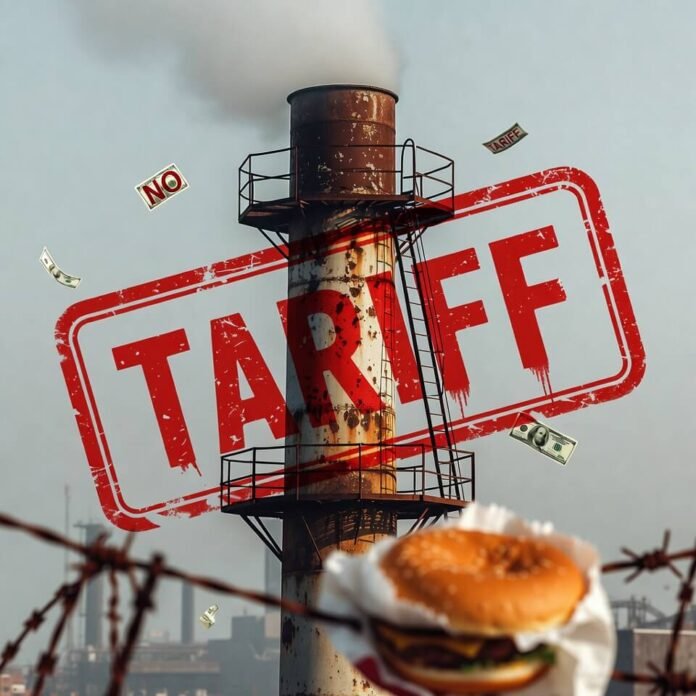
Okay, trade war impacts—man, they’re not just some abstract thing on CNN anymore, they’re literally in my fridge and my paycheck stub right now.
I’m sitting here in my apartment outside Raleigh, North Carolina (yeah, the rent’s still stupid high even though everyone says the South is cheaper), laptop overheating on my lap because the AC is fighting a losing battle against this February weird-warm spell, and I’m staring at my latest credit card statement. That $9 bag of Doritos? Used to be $4.50 two years ago. And don’t get me started on the price of a decent pair of work boots—up almost 30% since the latest round of tariffs kicked in on steel and aluminum imports. Seriously, I needed new ones for helping my buddy move last month and nearly choked when the cashier rang it up.
Why the Politics of Trade War Feels So Personal to Me Lately
Look, I’m not an economist. I barely passed macro in college (mostly because I spent lectures doom-scrolling early Reddit threads about the first Trump tariffs). But living through this stuff makes you feel it in your bones.
Back in 2018–2019 when the trade war with China first blew up, I was working a warehouse gig in Ohio. Overnight, shipments slowed, overtime dried up, and the rumor mill was wild—guys saying the company was gonna shutter because they couldn’t get cheap parts anymore. I ended up moving back south partly because of that instability. Fast-forward to now, and yeah, some manufacturing has trickled back (I’ve got a cousin who just got hired at a new battery plant in Georgia—thanks, CHIPS Act and tariff pressure), but the cost is getting passed straight to us consumers.
- Everyday stuff like electronics? Tariffs add 10–25% depending on the category. My last phone upgrade hurt more than it should’ve.
- Cars and appliances? Steel tariffs still linger in places—my neighbor’s new washer-dryer set cost him an extra grand easy.
- Food? Okay, not directly tariffed, but supply chain chaos from retaliatory moves means fertilizer and feed prices spiked, so chicken and beef creep up too.
It’s this weird mix where I’m like “hell yeah, bring jobs home” one minute, then paying $6 for a loaf of decent bread the next and muttering “maybe globalization wasn’t all bad.”
Trade War Impacts on My Actual Wallet and Sanity
Here’s the embarrassing part: I tried to “buy American” for a while. Like, full-on patriotic mode. Switched to American-made jeans (pricey but whatever), looked for tools stamped USA, even bought local coffee beans instead of the cheap stuff. Felt good for about three weeks.
Then reality hit. Those jeans? $120 instead of $40. The tools? Solid, but I snapped a socket wrench because I’m not a professional mechanic and the torque specs don’t care about my good intentions. And the coffee? Tasted fine but I ran out faster because I kept making excuses to brew extra cups to justify the $18 bag.
Now I’m back to a mixed bag—some American stuff when I can swing it, mostly whatever’s cheapest because inflation from trade policy ripples + regular old corporate greed is kicking my ass. I’ve caught myself impulse-buying store-brand everything at Aldi just to feel like I’m fighting back somehow.
What I Wish Politicians Would Actually Talk About
The politics of trade war gets spun as this big macho chess game—tariffs as weapons, China as the big bad. But down here it’s messier.
Some factories reopen, sure, but a lot of the “reshoring” is robotics-heavy, so it’s not like 1990s-level blue-collar hiring sprees. My buddy who got that battery job? He’s making good money, but the plant’s mostly automated lines with a handful of techs babysitting robots. Great for GDP maybe, not so great for the dude who used to bolt parts together by hand.
And the retaliation? China slapped tariffs on American soybeans and pork—Midwest farmers got crushed, bailouts happened, but it’s stopgap stuff. I drove through rural Iowa last summer and half the fields looked fallow or switched to corn nobody wanted at scale.
Wrapping This Rambling Mess Up
Honestly, I don’t have a clean answer. Trade war impacts are real, they’re uneven, they hurt my wallet in dumb little ways every week, but I also get why politicians keep doubling down—nobody wants to be the guy who “lost China” on their watch.
If I had to give my flawed, human advice? Pay attention to the actual bills and receipts, not just the headlines. Talk to people in different industries (truckers, farmers, factory workers, tech bros) because everyone’s getting hit differently. And maybe—maybe—vote for folks who at least pretend to do the math on how tariffs boomerang back to us instead of just yelling about winning.
Anyway, that’s my unfiltered rant from a couch in North Carolina while my coffee gets cold. What about you—how are trade policies screwing with (or weirdly helping) your life right now? Drop a comment, I’m genuinely curious and also procrastinating doing dishes.
For more on this:
- Check out the Peterson Institute for International Economics analysis on tariff costs – sobering numbers.
- Or the Brookings take on reshoring trends – balanced view.