
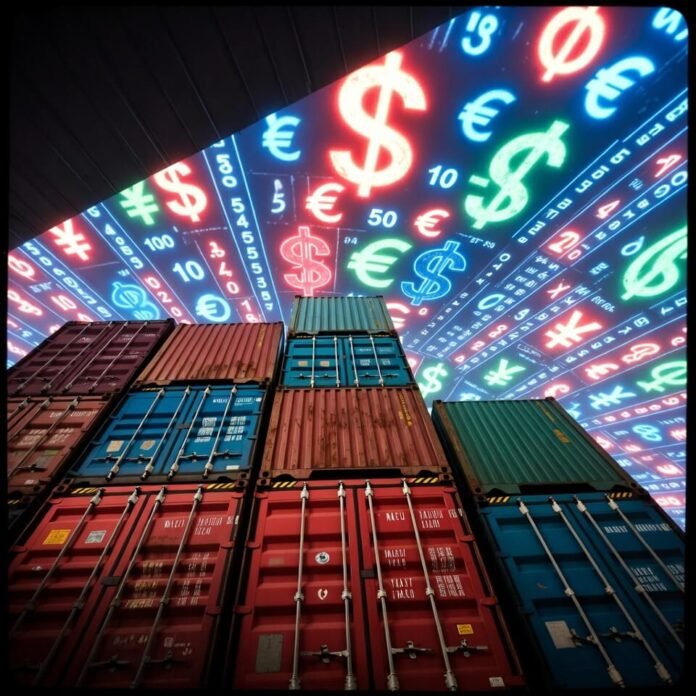
Okay so emerging markets trade is legitimately flipping the entire script right now and honestly it’s messing with my head every time I walk into Target or try to buy literally anything online.
I’m sitting here in my kinda messy apartment in [a mid-sized U.S. city, think somewhere like Raleigh or Denver], it’s February and it’s stupidly warm for winter because climate is also doing its thing, and I’m doom-scrolling trade stats while my coffee gets cold. Seriously, just last week I needed a new phone charger—simple right?—and Amazon was like “ships from Indonesia” instead of the usual Shenzhen lightning bolt. That tiny shift hit me harder than it should have. Like, whoa, the map in my brain is wrong now.
Why Emerging Markets Trade Suddenly Feels Personal
I used to think global trade was this boring adult thing that happened far away. Turns out when emerging markets trade patterns shift, it lands right in my shopping cart.
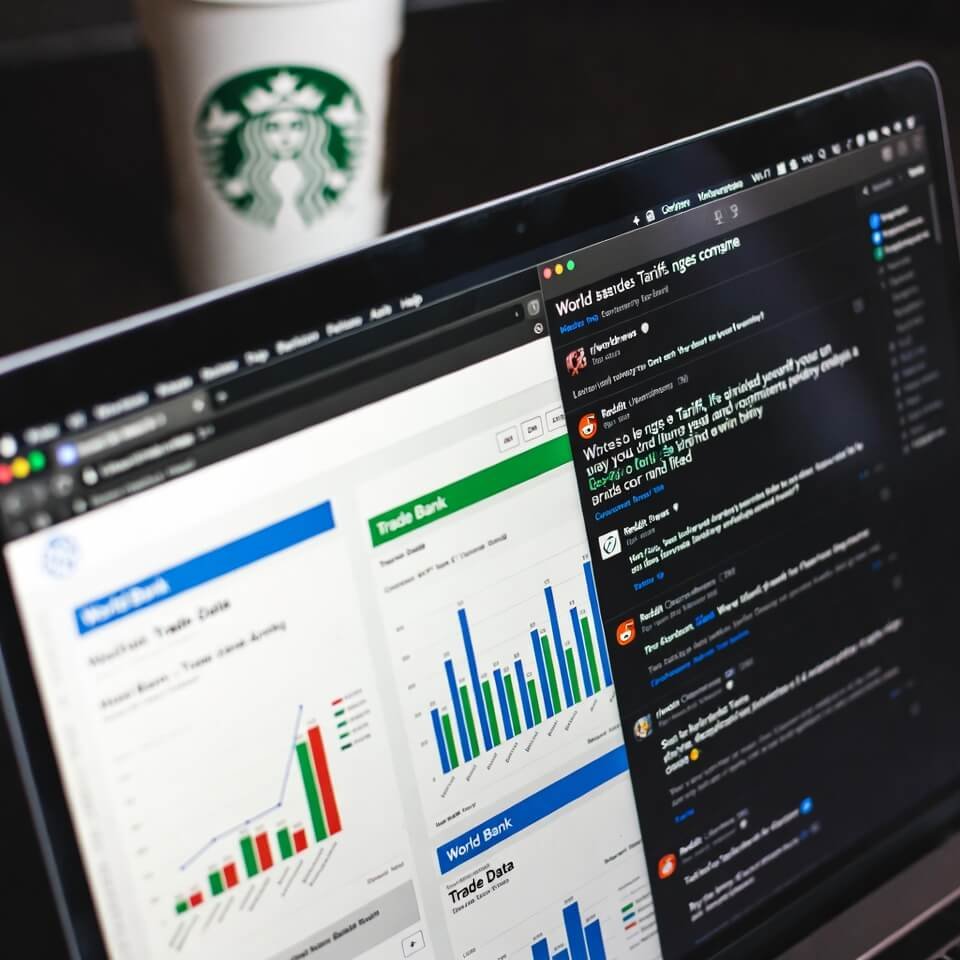
Remember 2020-2022 when everything was “supply chain hell”? Back then I was panic-buying toilet paper like everyone else and blaming China for literally everything. Fast-forward to now and Vietnam, Mexico, India (wait no—scratch that last one, I mean places like Indonesia and Brazil) are quietly grabbing huge chunks of manufacturing. The U.S. imported like 25% more from Mexico last year alone according to the U.S. Census Bureau trade data. That’s not abstract. That’s why my grocery bill for avocados and auto parts feels different.
And don’t get me started on the friend-of-a-friend who works at a port in Long Beach. He texted me last month: “Dude half the containers now say Vietnam or Malaysia instead of China.” I stared at my phone like okay cool story bro but also holy crap the trade map is literally moving.
The Awkward Moment I Realized I Was Part of It
Here’s the embarrassing part. I bought these supposedly “American-made” jeans online because I’m trying to be patriotic or whatever. They arrived with a tiny tag: “Sewn in Bangladesh, assembled in Mexico.” I laughed out loud alone in my kitchen because what even is origin anymore? Emerging markets trade isn’t just redrawing some abstract map—it’s redrawing the label on my butt.
I felt dumb. Like I’d been lecturing people about “buy American” while wearing clothes that prove the opposite is winning. That’s the raw honesty part: I’m complicit. We all are. Every time I click “free shipping” I’m voting for whatever route is cheapest, and right now that’s increasingly through emerging economies.
How Emerging Markets Trade Is Actually Changing the Game
Look, here’s what the data and my own chaotic observations are telling me:
- Nearshoring is real: Mexico is eating everyone’s lunch for auto parts and electronics because it’s close and the USMCA makes tariffs lower. Check the Council on Foreign Relations explainer if you want the nerdy version.
- Southeast Asia is booming: Vietnam’s exports to the U.S. have tripled in like seven years. My blender? Probably Hanoi now.
- Africa and Latin America are creeping in: Not huge yet, but Ethiopia for apparel, Brazil for steel—it’s starting.
- China is still massive but pivoting: They’re moving up the value chain while lower-end stuff flees to cheaper emerging markets.
The trade map isn’t just shifting. It’s getting messier, more multipolar, and honestly more fragile. One tariff tweet from whoever’s in office next and entire routes could flip again.
What This Means for Regular People Like Me
I don’t have a crystal ball but from my couch it feels like:
- Prices might stabilize eventually but not soon—emerging markets trade rerouting costs money upfront.
- More “Made in Mexico” tags but also more “Assembled in Vietnam” fine print.
- Supply chains that are supposedly more “resilient” but still freak out over one canal blockage or dock strike.
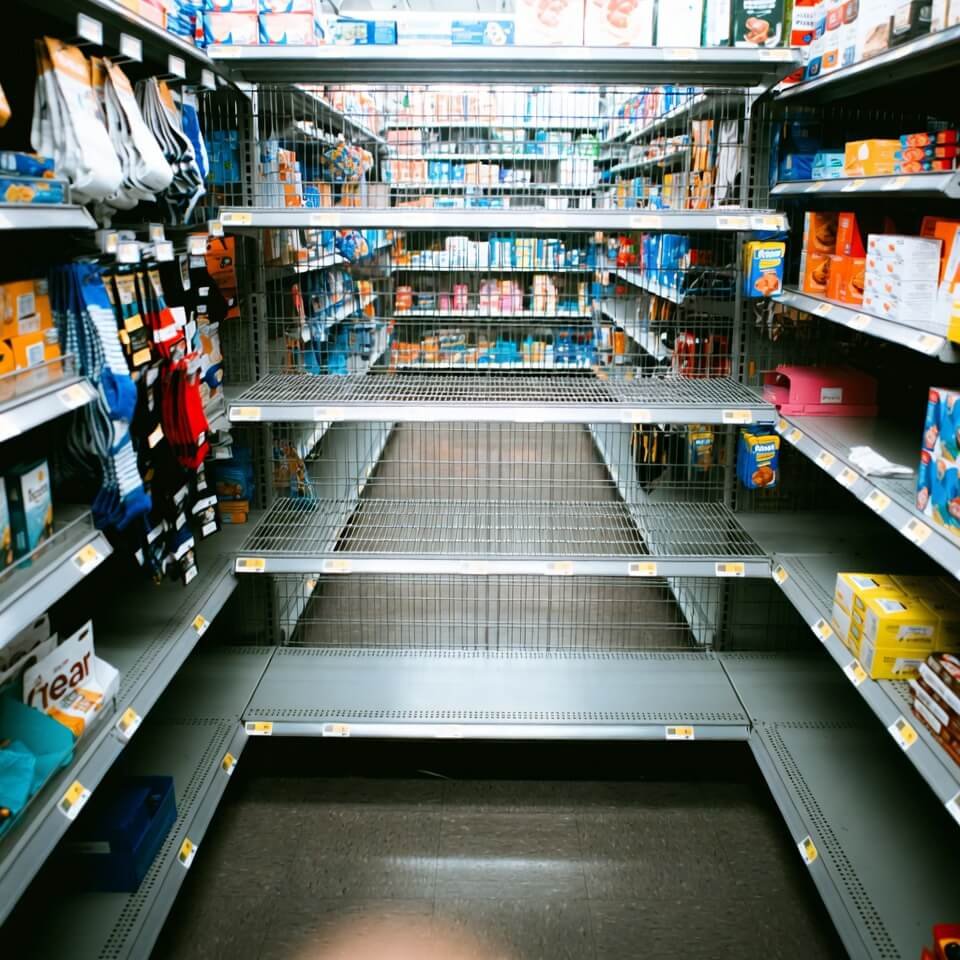
- My wallet notices every time something jumps $5 because the new route added a week.
And yeah, sometimes I catch myself thinking “this is good actually—less China dependence” and then immediately feel guilty because people in those emerging markets are grinding for wages I wouldn’t accept. It’s messy. I’m messy.
Wrapping This Ramble Up
Anyway, emerging markets trade is redrawing the map whether I like it or not, and I’m just one guy in the U.S. trying to make sense of why my stuff comes from different places now. It’s not all doom—some of it’s opportunity, some of it’s just capitalism doing capitalism things—but it’s definitely not the neat picture we had ten years ago.
If you’re also staring at labels in the store feeling confused, drop a comment. What random product surprised you lately with its origin? Let’s compare notes over lukewarm coffee.
Read more if you want: the World Trade Organization’s latest trade outlook has the scary charts.