
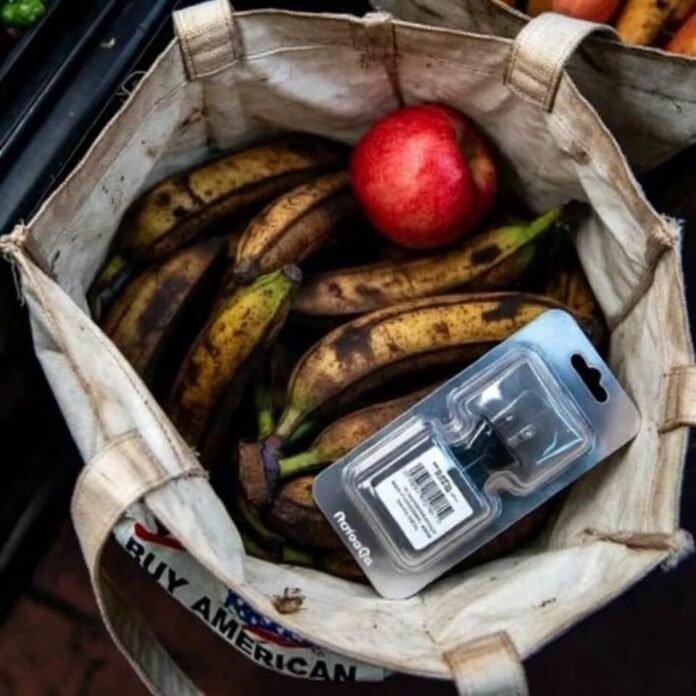
Tariffs vs free trade keeps screwing with my head—and more importantly my debit card—every single time I walk into a store. I’m typing this right now at my tiny IKEA desk in Columbus, Ohio, middle of February 2026, heat blasting because it’s 18 degrees outside and the windows are single-pane crap from 1987. There’s a half-empty can of Monster next to me that cost $2.49 instead of the old $1.99 and I’m low-key mad about it.
I’m not an economist. I’m just a guy who has to decide between the $12 pack of underwear from Bangladesh or the $28 pack “assembled in North Carolina.” Most days I pick the cheap ones and then spend the next week feeling vaguely guilty, like I personally fired a textile worker in the Carolinas. That’s tariffs vs free trade in real life: guilt trips and lighter wallets.
The Shoe Aisle Meltdown (Again)
Last weekend I was at Kohl’s looking for sneakers because mine finally died mid-run. Imported pair: $59.99. The “Made in USA” version from the same brand: $129. I stood there like a moron holding both boxes, doing that thing where you flip them over and stare at the tags hoping the price will magically change. Tariffs vs free trade summed up in one awkward moment. I bought the cheap ones. Again. They’re already rubbing blisters but at least I didn’t have to skip buying coffee this week.
People online scream “support American jobs!” and yeah, I get it. My uncle worked thirty years at a steel plant outside Pittsburgh before it shuttered partly because of cheap imports. But when politicians slap blanket tariffs on everything, the cost doesn’t stay in Washington. It lands right in my cart next to the tortilla chips.
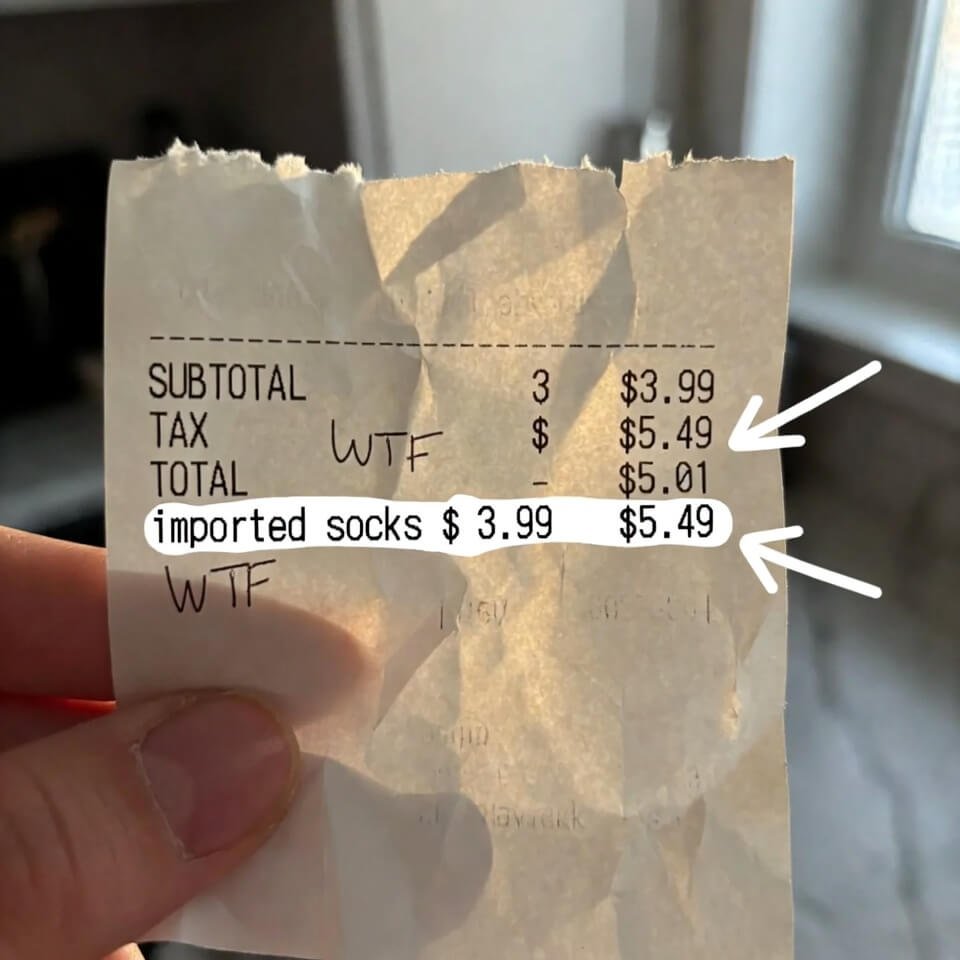
Free Trade Isn’t Perfect Either, Let’s Be Real
Before you think I’m all-in on free trade, nah. Remember 2021–2022 when supply chains imploded and I paid $8 for a bag of frozen blueberries that used to be $3? That’s what happens when you lean too hard on imports and have zero Plan B. Free trade can keep prices low when everything’s flowing, but the second a ship gets stuck or a factory in Asia shuts down for a week, boom—my smoothie game takes a $5 hit.
So tariffs vs free trade both suck in their own special way. One makes stuff expensive on purpose to “protect” jobs. The other makes stuff cheap until the whole system chokes, then expensive anyway.
If you want the drier version with actual data, the Tax Foundation has a decent piece on how much recent tariffs cost the average household. Short version: hundreds of dollars extra per year. Or check the Cato Institute’s take on free trade benefits for consumers. They’re biased in opposite directions but at least they show numbers instead of just yelling.
What I Actually Want (Not Holding My Breath)
I wish someone in charge would just admit: “Look, tariffs help certain industries and hurt everyone else’s wallet. Free trade helps your wallet but leaves some industries screwed.” No more pretending it’s all upside. Just tell me the trade-off so I can decide if I’m okay paying $40 more for a toaster to maybe keep a factory open in Ohio.
Right now, if I’m forced to pick, I’d take mostly free trade with actual smart protections—not these giant across-the-board whacks that make everything cost more. But honestly? I’d settle for prices that don’t make me do mental math in the middle of Target.
Wrapping This Ramble Up
Tariffs vs free trade isn’t heroes vs villains. It’s just different ways to make my life slightly harder depending on the news cycle. Some weeks I save a few bucks and feel like I’m betraying America. Other weeks I pay extra and feel like a sucker anyway.